










Which School Air Quality Solutions Make the Grade?
Improving Indoor Air Quality in Schools
Numerous studies have linked poor indoor air quality in schools to an increase in health problems and absenteeism among both students and staff. Although most schools already have ventilation systems in place, the recent pandemic has made it clear that ventilation alone is not enough to ensure a healthy learning environment.
Upgrading filtration systems can lead to higher costs and increased energy consumption. In addition, many airborne aerosols are too small to be effectively captured by standard filters. To enable safe and uninterrupted in-person learning, schools need classroom air purification solutions that provide continuous protection for students, teachers, and staff.
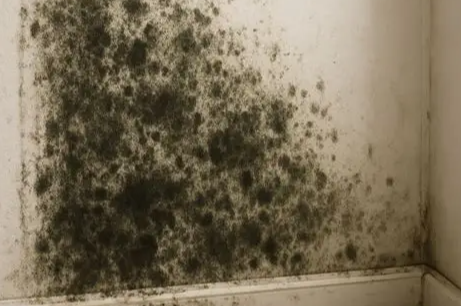
An effective indoor air quality solution must do more than simply reduce the spread of COVID-19. It should also provide protection against viruses, bacteria, mold, and odors.
To help school administrators assess indoor air quality and compare different air purification solutions, we have developed the following Air Purification Solution Grading Scale.
Air Purification Solution Grading Scale
Grade A
A top-tier solution should:
-
Reduce pathogens in the air inside the device
-
Reduce pathogens in the air outside the device
-
Remove volatile organic compounds (VOCs) and odors
-
Be safe for occupied spaces, including people, plants, and classroom pets
-
Maintain low operating costs while running continuously, 24 hours a day, 7 days a week
-
Enable buildings to meet ASHRAE ventilation standards while minimizing heating and cooling costs
-
Control energy costs while eliminating hard-to-filter pathogens without relying on restrictive filters
Grade B
A good solution should:
-
Reduce pathogens in the air inside the device
-
Offer some effectiveness in reducing pathogens in the air outside the device
-
Remove VOCs and odors
-
Be safe for occupied spaces
Grade C
A basic solution should:
-
Reduce pathogens in the air inside the device
-
Remove VOCs and odors
-
Be safe for occupied spaces
Grade D
A solution with limited effectiveness:
-
Reduces pathogens only inside the device
-
May not be safe for occupied spaces
Grade F
An inadequate solution:
-
Only dilutes pollutants and inhibits the growth of mold and bacteria
-
May not be safe for occupied spaces
Why Pyure Earns an A
You may be thinking, “Of course Pyure gives itself an A – it’s their own blog.” That’s a fair point. But in this case, the claim is backed by science.
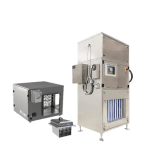
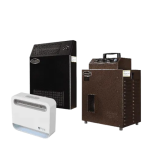
Pyure Dynamic Protection® delivers the highest level of indoor air and surface sanitization by:
-
Neutralizing COVID-19 and other viruses
-
Destroying mold and bacteria
-
Eliminating odors
-
Providing continuous protection, 24 hours a day, 7 days a week
-
Treating individual rooms or entire facilities
For schools looking to improve indoor air quality, Pyure technology leads the way.
Grade B Air Quality Solutions
Several school air quality solutions perform well in certain areas but also have clear limitations.
Photocatalytic Oxidation (PCO) Devices
PCO devices use UV light to convert pollutants into carbon dioxide and water.
Advantages:
– Effective against pathogens entering the device
Limitations:
-
Minimal impact on the surrounding air
-
Limited ability to sanitize surfaces
Electrostatic Sprayers
Electrostatic sprayers apply a positive charge to disinfectants, helping them adhere evenly to surfaces.
Advantages:
– Effective surface disinfection
Limitations:
-
Can only be used in unoccupied spaces
-
Require daily labor and repeated applications
Ionizers
Ionizers release negative ions that bind to airborne contaminants, making them heavier and easier to capture.
Advantages:
– Help reduce airborne allergens and bacteria
Limitations:
-
Limited effectiveness outside the immediate treatment area
-
Minimal reduction of pathogens throughout the entire classroom
Solutions That Barely Pass
Although no solution fully meets the Grade C criteria, some options perform slightly better than failing.
HEPA Filters
HEPA (High-Efficiency Particulate Air) filters are widely used in household air purifiers and vacuum cleaners.
Advantages:
– Effective at capturing allergens and bacteria
Limitations:
-
Do not kill viruses
-
Do not eliminate odors
-
Have a limited effect on surface pathogens
-
Require regular maintenance and filter replacement
-
Only work when air passes through the filter
Ultraviolet Germicidal Irradiation (UVGI) Systems
UVGI systems use UV-C light to kill viruses and bacteria.
Advantages:
-
Effective against airborne pathogens exposed to UV light
-
No filter replacement required
Limitations:
-
UV-C light is harmful to humans
-
Cannot be operated safely while classrooms are occupied
Failing Air Quality Solutions
Even when combined, the following options are insufficient on their own to fully protect students and staff.
Natural Ventilation
Opening doors and windows can improve airflow and reduce carbon dioxide levels.
Limitations:
-
Insufficient airflow to control viruses and bacteria
-
Does not sanitize the air or surfaces
-
May introduce outdoor pollutants and odors
Mechanical Ventilation
Mechanical systems circulate fresh air through ducts and fans.
Limitations:
-
Limited direct air purification capability
-
Increase maintenance requirements
-
Lead to higher energy costs
Hydrogen Peroxide Cleaning
Chemical disinfectants such as hydrogen peroxide are effective at sanitizing surfaces.
Limitations:
-
Have no effect on airborne pathogens
-
Require additional labor and training
-
Can be hazardous at high concentrations
Dehumidifiers
Dehumidifiers reduce moisture levels in indoor environments.
Advantages:
– Slow the growth of mold and bacteria
Limitations:
-
Do not kill viruses
-
Excessively dry air may increase the spread of infectious diseases
-
Lead to higher energy costs
-
Require ongoing maintenance
The Future of Indoor Air Quality in Schools
Creating safer classrooms requires more than ventilation and filtration alone. Schools need comprehensive air purification systems capable of continuously neutralizing pathogens in both the air and on surfaces, all while operating safely in occupied environments.
By combining proven science, energy efficiency, and continuous protection, Pyure offers a smarter solution for healthier schools and safer learning environments.